Nano-Hydroxyapatite Research, Reviews & Guides

Latest 2025–2026 Research
100% Fluoride-Free Focus
Honest, Evidence-Based Reviews
Sensitivity & Remineralization
Latest Nano-Hydroxyapatite Research (2025–2026)
Meta-Analysis: Hydroxyapatite's Caries-Preventive Evidence (2025)
Latest Nano-Hydroxyapatite Articles & Oral Care Guides

SLS-Free and Fluoride-Free: Why Your Toothpaste Ingredients Matter
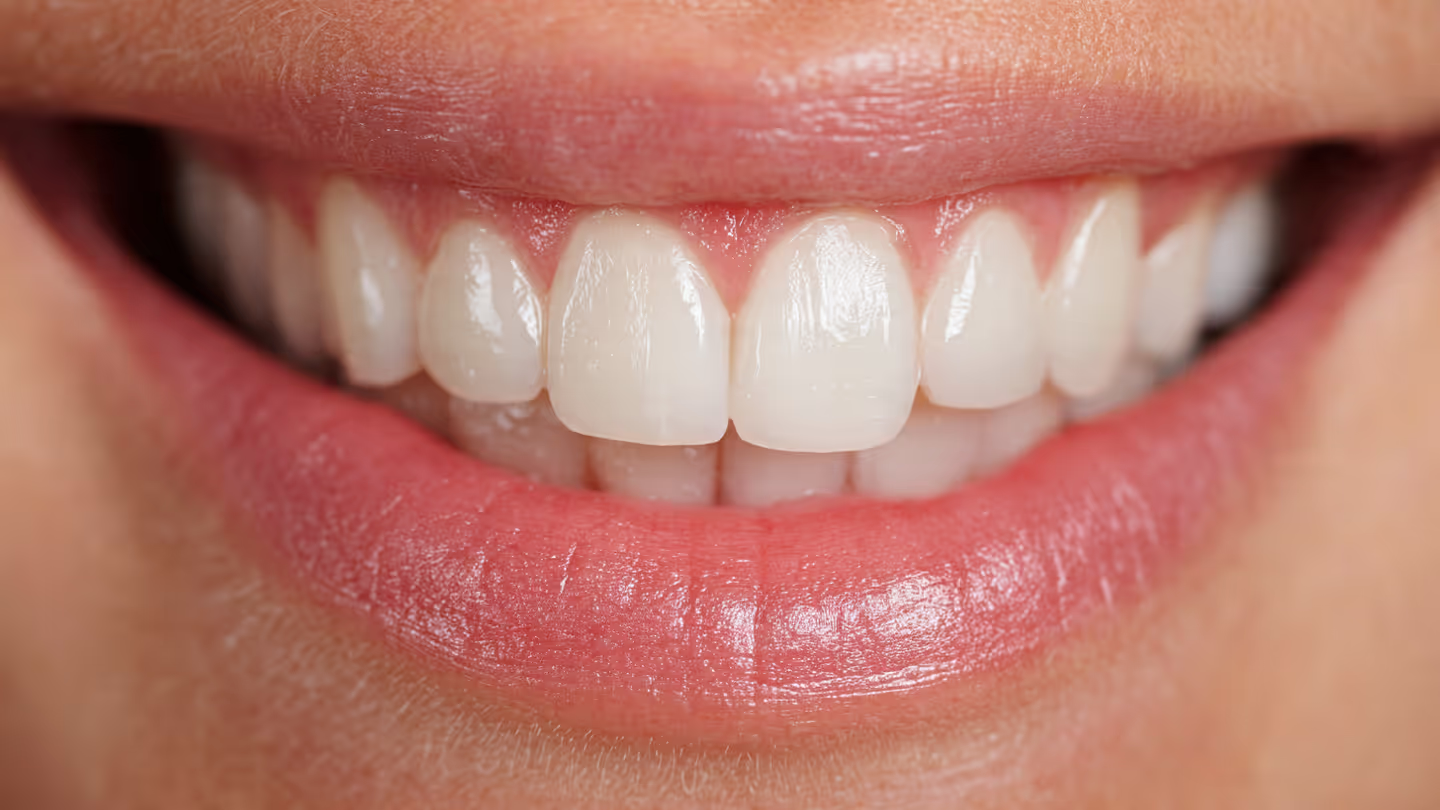
Why nHA Is the Future of Fluoride-Free Oral Care
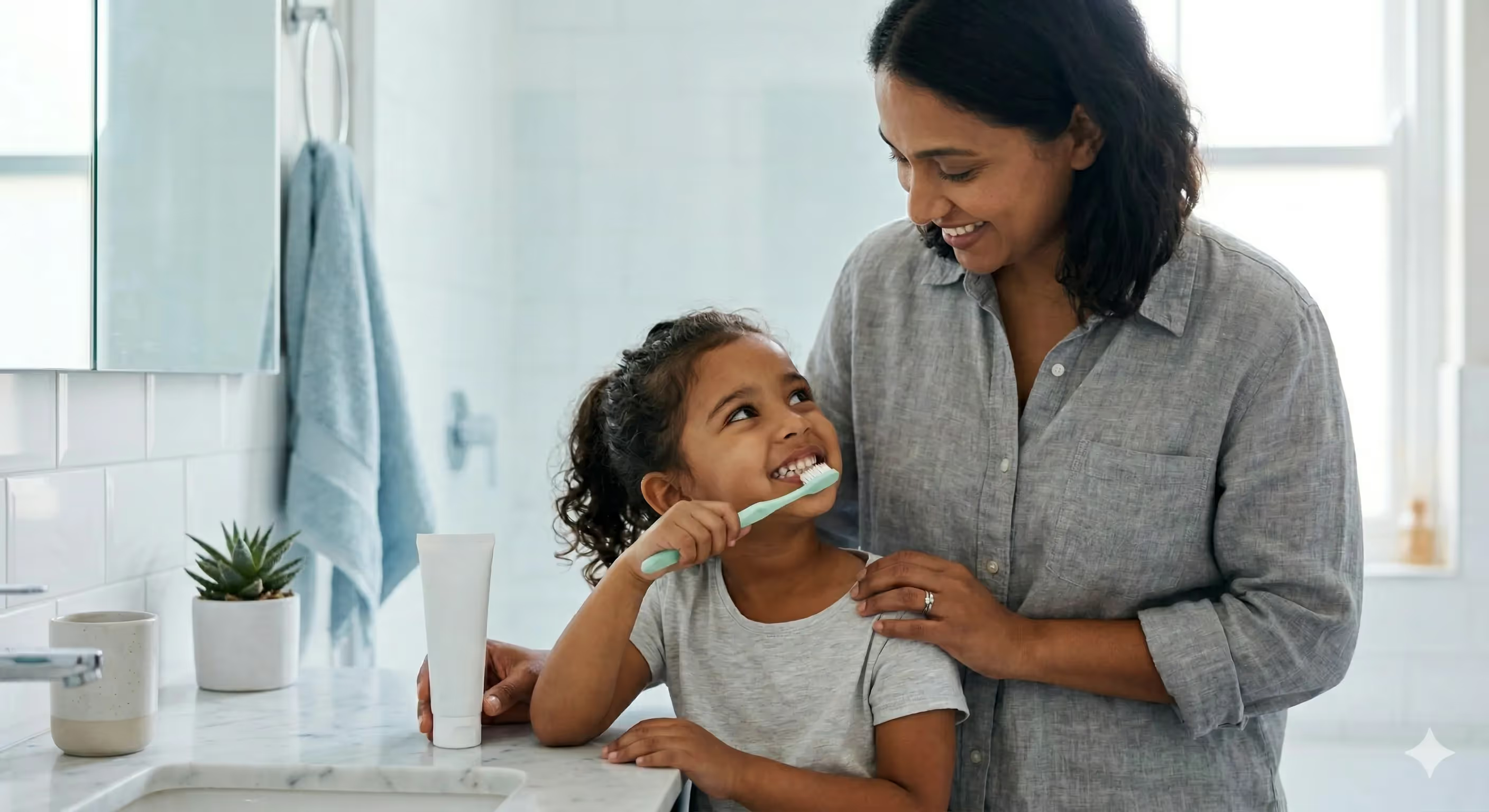
Is Fluoride-Free Safe for My Child? A Parent's Guide
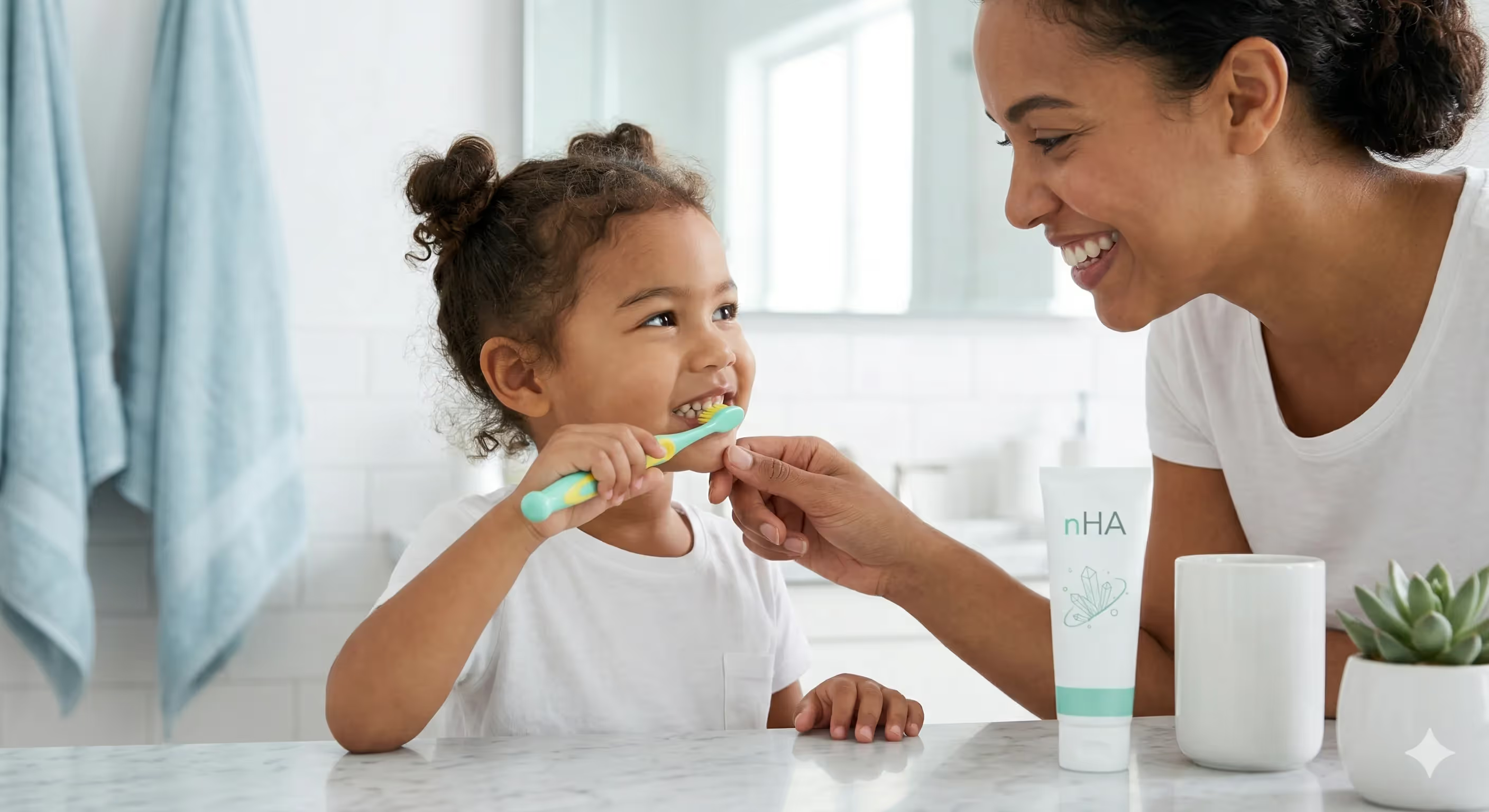
nHA for Kids: Teaching Good Oral Habits Early
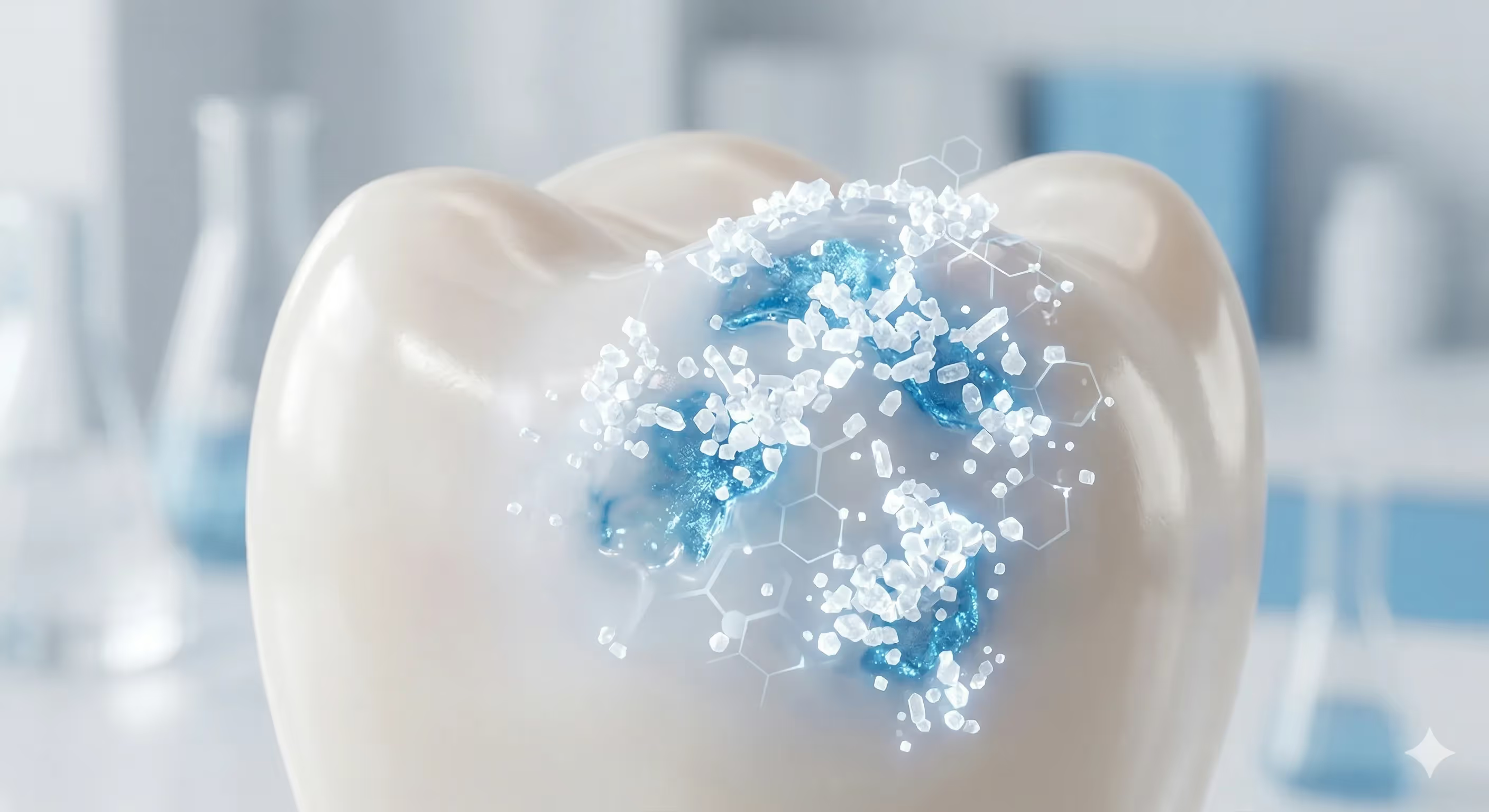
Can nHA Prevent Cavities? What the Research Says
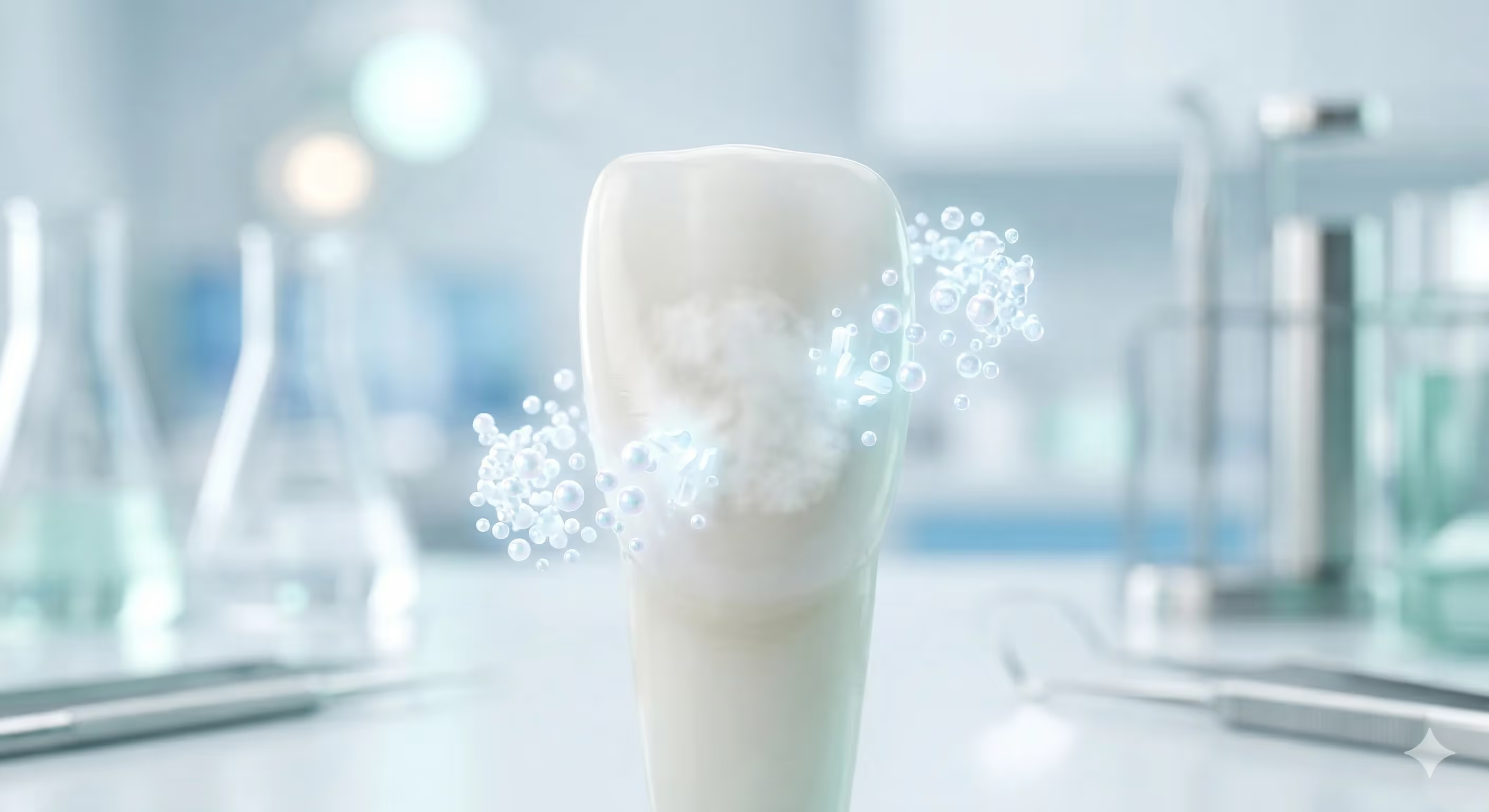
White Spots on Teeth: Can nHA Reverse Them?
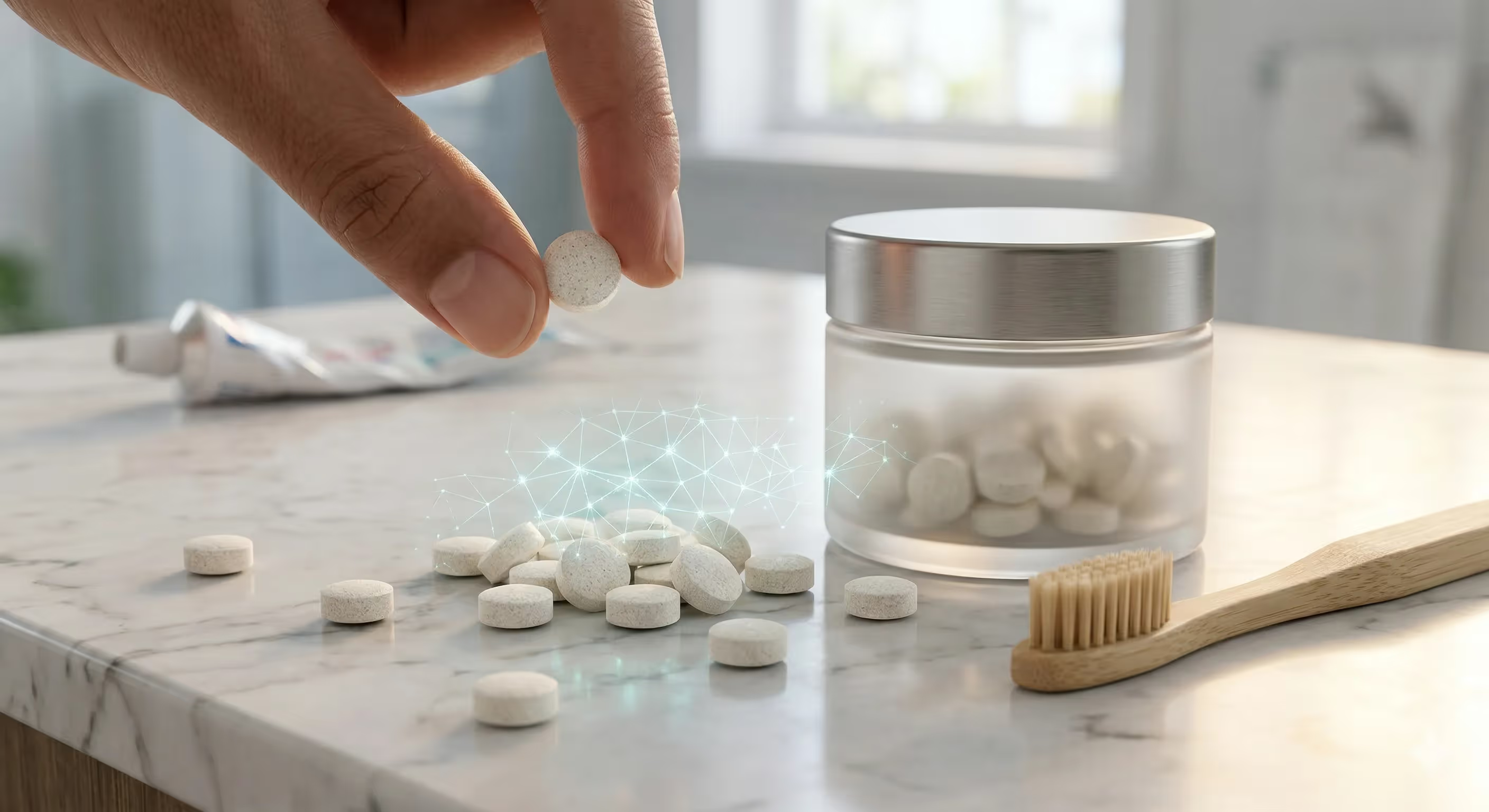
nHA Toothpaste Tablets: Are They Worth Switching To?
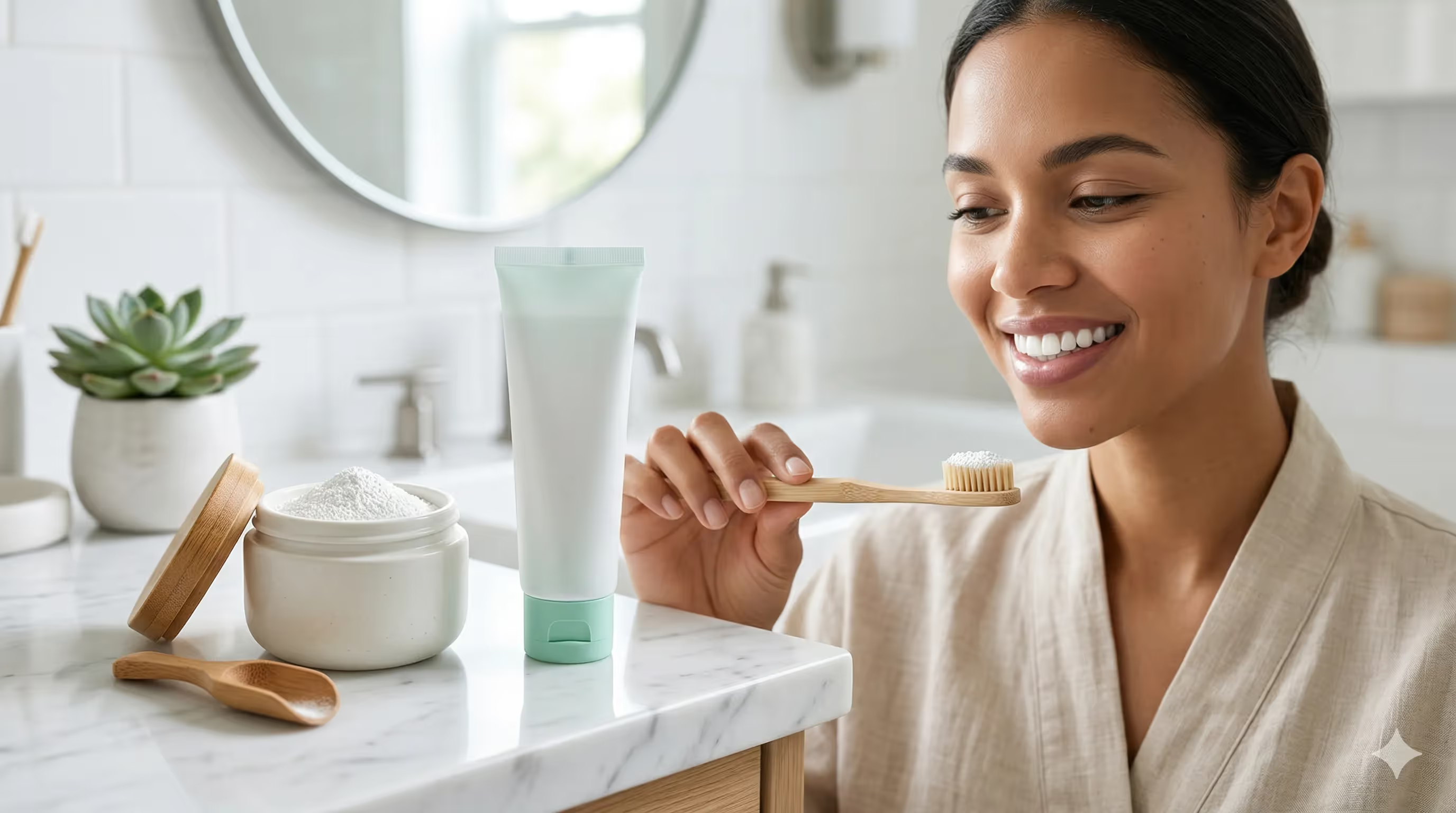
nHA Tooth Powder: Does It Work as Well as Toothpaste?
Frequently Asked Questions
Nano-hydroxyapatite mimics the mineral your enamel is made from. In toothpaste, it helps fill microscopic surface defects, supports remineralization, and can reduce sensitivity by sealing exposed dentinal tubules.
Not in every case. Current research suggests nano-hydroxyapatite performs comparably to fluoride for early enamel repair in many situations, while fluoride can still be the better choice for people with a high cavity risk or specific dental needs.
Many people notice sensitivity relief within one to two weeks of consistent brushing. Visible remineralization and enamel improvement usually take longer, often four to eight weeks or more depending on your routine and the condition of your enamel.
It is widely considered a strong fluoride-free option for families, especially because it is biomimetic and used in toothpaste amounts. If your child has a high cavity risk, braces, or other dental concerns, it is still best to check with a pediatric dentist before switching.
Ready to upgrade to a truly clean toothpaste?