nHA Science & Mechanisms
The biomechanics of nHA explained — how 20–100 nm particles integrate into enamel, attract minerals, and deliver clinically meaningful remineralization.
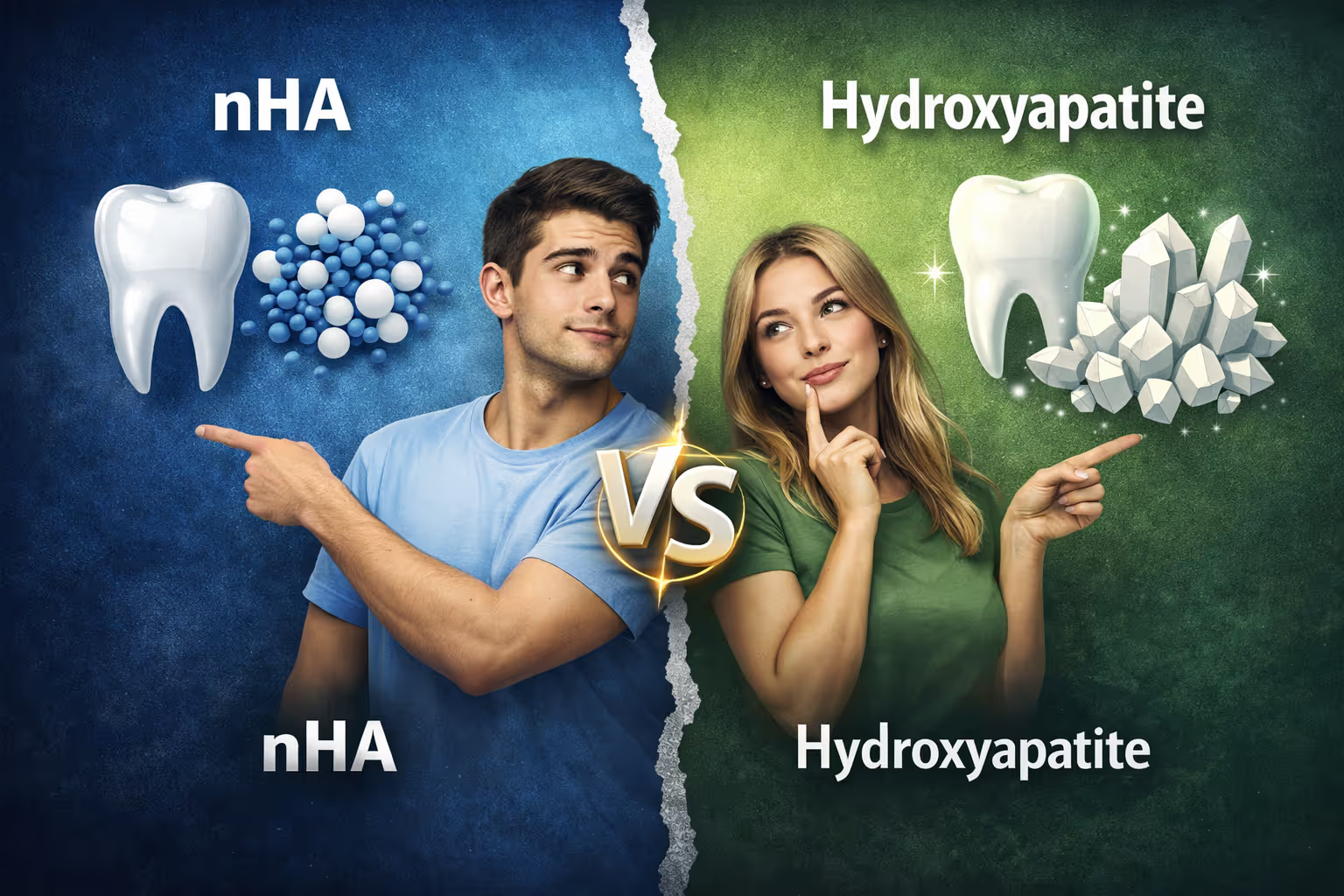
nHA vs Hydroxyapatite: What’s the Difference?
Nano vs. micro vs. synthetic HA — understanding particle size, bioavailability, and which form of hydroxyapatite actually works in toothpaste.
Read more
The Complete Guide to Remineralization in 2026
Everything you need to know about enamel remineralization: diet, saliva, fluoride, nHA, xylitol, and the best daily protocols for stronger teeth.
Read more
Is Nano-Hydroxyapatite Safe? What Scientists Say
Breaking down the safety profile of nHA: biocompatibility, EU SCCS approval, toxicology research, and why it’s trusted by dentists globally.
Read more

nHA vs Fluoride: What 2026 Research Really Shows
2025–2026 studies: nHA matches fluoride for early lesion repair & sensitivity in many trials. Biomimetic advantage (20–100 nm particles); great fluoride-free option. No universal winner — depends on needs.
Read more
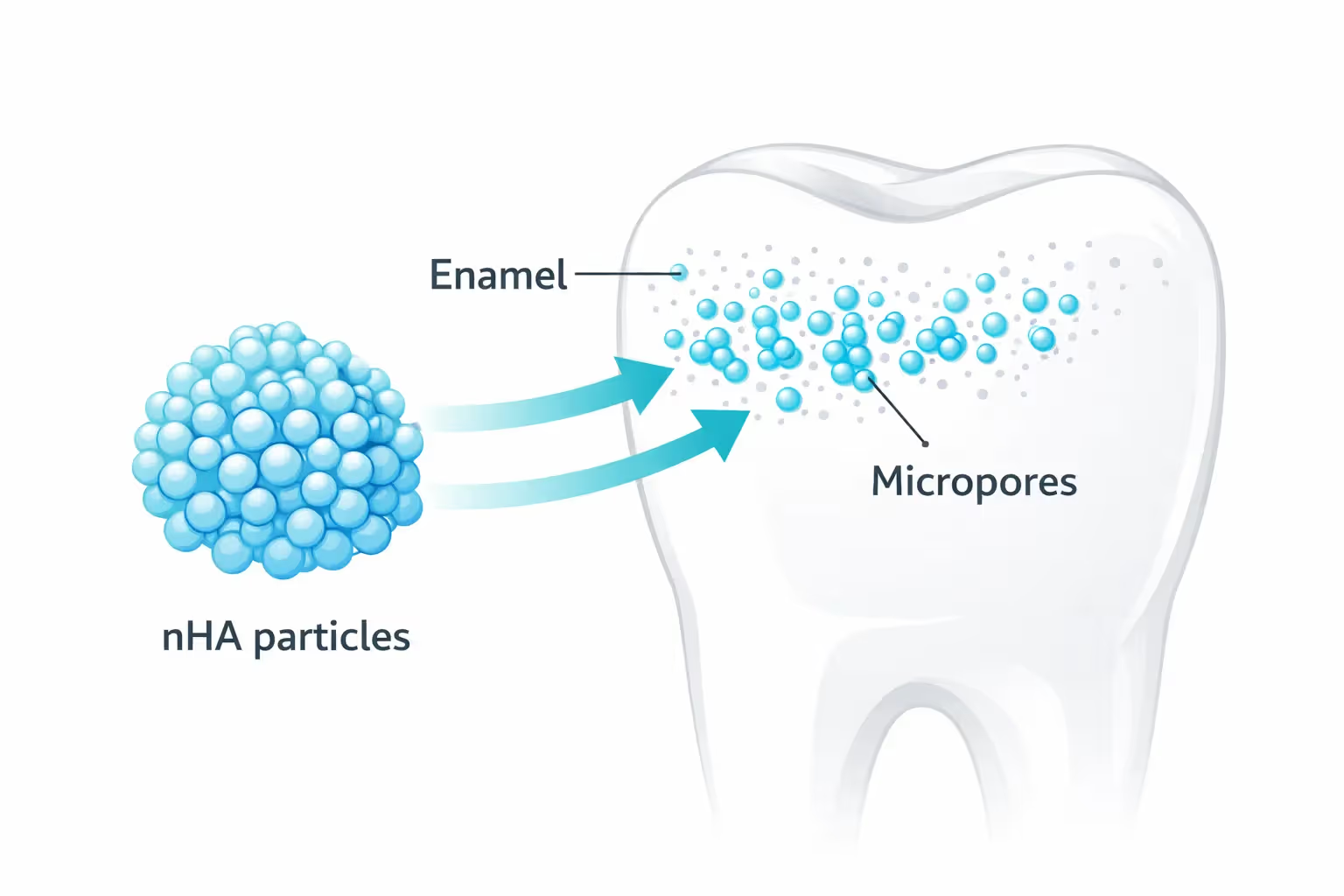
How 20–100 nm Particles Repair Enamel (Explained)
20–100 nm nHA mimics enamel crystals. Fills acid-damaged pores, attracts minerals for repair. Builds a stronger layer, blocks sensitivity tubules.
Read more