nHA for Kids: Teaching Good Oral Habits Early
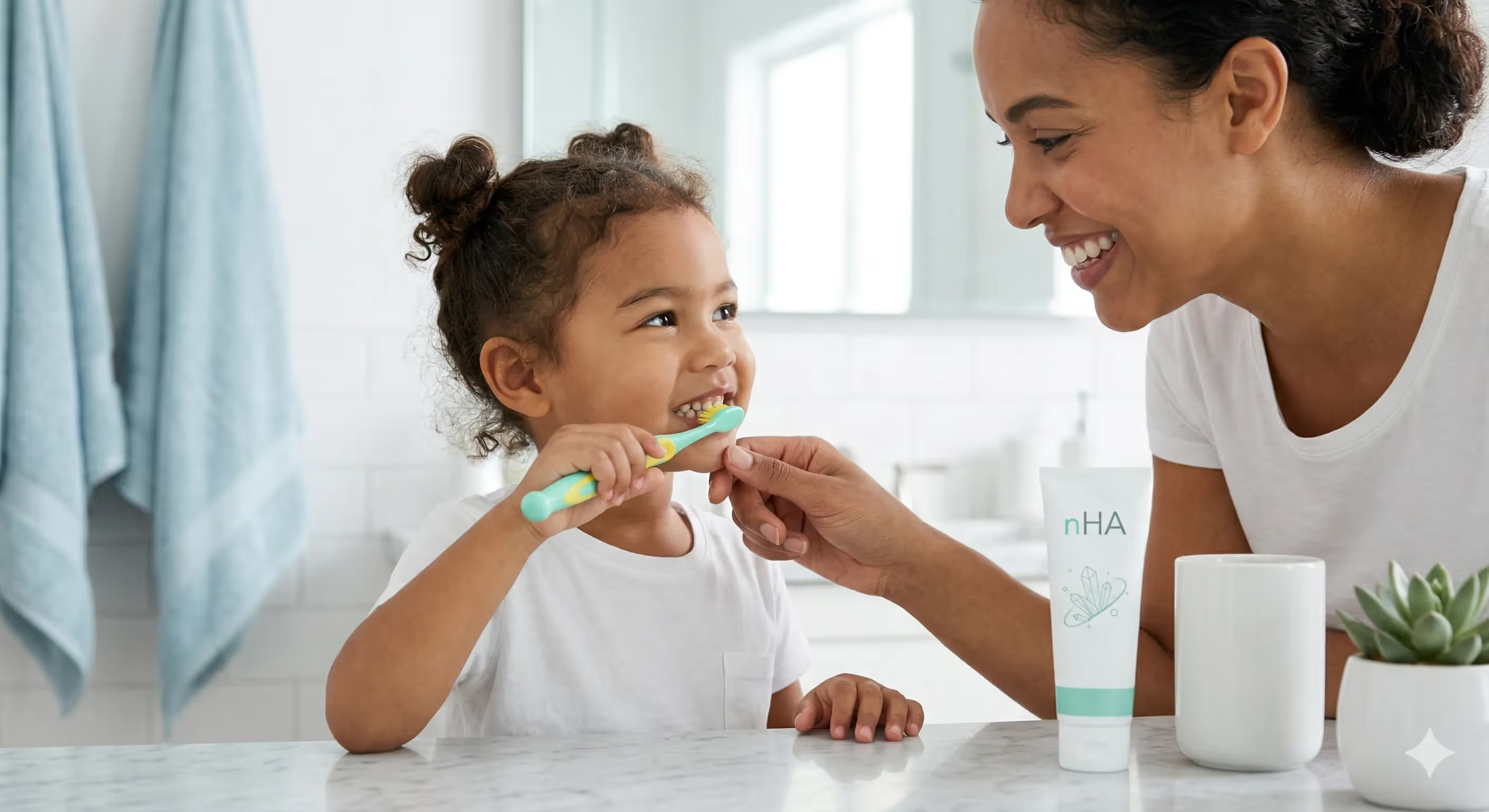
Getting children to brush their teeth — willingly, consistently, and correctly — is one of parenting's quiet battles. Add a switch to a less-familiar nHA toothpaste and you might wonder if you're making it harder. In practice, the transition is usually easier than expected, and the long-term benefits for children's developing enamel make it well worth it. Here's how to approach it by age.
Why nHA Is Particularly Good for Children
Children's enamel is thinner and more permeable than adult enamel, which makes it both more susceptible to acid erosion and more responsive to remineralizing treatment. The nano-scale particles in nHA toothpaste are ideally sized to penetrate children's enamel pores, making the ingredient particularly effective in this age group.
The safety advantage is equally significant. Children under 6 regularly swallow toothpaste — studies suggest up to 40% of the paste ends up ingested in this age group. nHA is completely non-toxic when swallowed, unlike fluoride, where excess ingestion during enamel development can cause dental fluorosis. For parents who want the peace of mind of a non-toxic formulation, nHA is the clinically sound choice.
Age-by-Age Guide
0–2 Years: First Teeth
As soon as the first tooth erupts, twice-daily brushing should begin. Use a rice-grain sized amount of nHA toothpaste on a soft finger brush or infant toothbrush. At this age, the 'routine' matters more than technique — making brushing a calm, expected part of the morning and bedtime sequence.
2–5 Years: Building the Habit
Use a pea-sized amount of nHA paste. Let the child hold the brush and 'have a go' first, then do a thorough brush yourself. Apps with timers, songs (two minutes), and reward charts can all help. The key at this age is positive association — brushing should never be a battle or a punishment.
6–12 Years: Developing Independence
Children can begin brushing independently around 6–8, but should still be supervised and occasionally checked until around 10–12. Introduce flossing around age 6–7 when teeth begin to contact each other. Upgrading to a children's electric toothbrush at this stage dramatically improves plaque removal.
Teenagers
Teens are a high-risk group for enamel erosion (sports drinks, energy drinks, diet changes) and often the least motivated to brush carefully. Making the routine as frictionless as possible helps: a good electric toothbrush with a timer, a palatable nHA toothpaste flavour (many teens prefer mint over fruity), and a simple two-step routine (brush, floss).
Making nHA Toothpaste Appealing
RiseWell's wild watermelon and Boka's bubblegum flavours consistently rank as children's favourites. Let children choose between two pre-approved options when possible — giving a sense of control improves compliance significantly. At the two-minute mark, the routine ends — predictability helps children accept it as non-negotiable.
The habits formed before age 12 tend to persist into adulthood. An investment in making the routine positive, consistent, and effective early on pays dividends for decades of enamel health.
Ready to upgrade to a truly clean toothpaste?