Fluoride-Free nHA for Sensitivity Relief & Remineralization
Science shows 20–100 nm nano-hydroxyapatite (nHA) particles repair enamel micropores, occlude dentinal tubules, and deliver biomimetic remineralization — without any fluoride risks. If you experience sharp pain from cold, hot, or sweet foods, or want stronger enamel without fluoride, nHA toothpastes and powders are a clinically supported choice.
This guide breaks down the mechanisms, 2025–2026 evidence, and exactly which fluoride-free nHA products deliver real results.
What Is Nano-Hydroxyapatite (nHA)?
Nano-hydroxyapatite is a synthetic version of the exact mineral that makes up 97% of your tooth enamel and 70% of dentin. The “nano” version uses particles sized 20–100 nm — small enough to penetrate enamel micropores and dentinal tubules.
Unlike larger micro-hydroxyapatite or other remineralizing agents, nHA bonds biomimetically: it mimics your natural tooth structure, deposits calcium and phosphate ions exactly where needed, and builds a protective layer.
Key advantage: 100% fluoride-free, safe for daily use (including kids and pregnant users concerned about fluorosis).
How nHA Relieves Dentin Hypersensitivity
Dentin hypersensitivity occurs when tubules are exposed and fluid movement triggers pain nerves. nHA works by:
- Physically occluding (sealing) open tubules within days of use
- Reducing fluid flow and nerve stimulation
- Creating a smoother, acid-resistant surface
Clinical results are fast — many users report relief in 2–4 weeks with twice-daily brushing.
How nHA Promotes Enamel Remineralization
Early demineralization (white spots, initial caries) creates microscopic defects. nHA particles:
- Fill those defects directly
- Attract additional calcium/phosphate from saliva
- Restore microhardness and surface smoothness
The 20–100 nm size gives superior penetration compared to fluoride alone in many early-lesion scenarios.
Latest Clinical Evidence (2025–2026)
A September 2025 narrative review analyzed 15 recent clinical trials and concluded:
“HAp seems to be a safe and effective alternative to fluoride… HAp may offer additional advantages in managing hypersensitivity.”— Naim & Sen, Journal of Functional Biomaterials, 2025
Key findings from the review and supporting RCTs:
- Hypersensitivity relief: nHA outperformed sodium fluoride in reducing sensitivity associated with white spot lesions (Butera et al., 2022; confirmed in 2025 review). Zinc-HAp paste also significantly improved sensitivity and MIH-Treatment Need Index in children over 9 months.
- Remineralization: Non-inferior to fluoride in caries prevention (Paszynska et al., 2021 & 2023: 18-month RCTs showed 89.3% vs 87.4% no increase in decayed surfaces). One 2024 in-vivo study found weekly nHA application achieved higher Ca/P ratio recovery than NaF post-interproximal reduction.
- 8-week RCT (Amaechi et al., 2021 — still the benchmark referenced in 2025 reviews): 10% and 15% nHA toothpastes reduced dentin hypersensitivity (air & cold stimuli) as effectively as the leading calcium sodium phosphosilicate (CSPS) control. 15% nHA matched or exceeded the benchmark at every time point.
2025–2026 updates continue to show nHA is non-inferior for remineralization and often faster for sensitivity relief — especially valuable for fluoride-avoidant families.
nHA vs Fluoride: What the Science Says
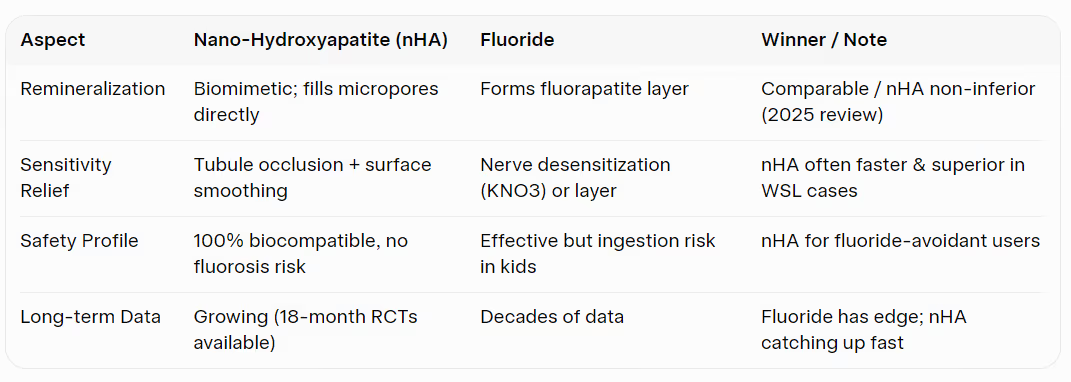
Bottom line: nHA is not “better” in every scenario — but it is a proven, non-inferior, fluoride-free alternative with unique benefits for sensitivity and biomimetic repair.
Best Fluoride-Free nHA Products for Sensitivity & Remineralization (2026 Picks)
Top recommendation for sensitivity:Boka Ela Mint or Sensitive formulas (10–15% nHA + natural ingredients). Users report noticeable relief in 1–2 weeks.
Best all-rounder: Risewell Kids or Adult Powder (high nHA concentration, clean ingredients, great for families).
Premium repair option: Look for 10–15% nHA toothpastes with added xylitol or theobromine for extra anti-caries power (2025 studies support these combos).
Affiliate note: Links below are affiliate — we only recommend products we trust and that align with the latest evidence. Always check current labels.
[Shop Boka on Amazon or direct] [Shop Risewell] [Compare all top nHA brands here]
How to Use nHA for Maximum Results
- Brush twice daily for 2 minutes (no rinsing immediately after).
- For sensitivity: Focus on affected areas; pair with nHA mouthwash or gel overnight.
- For remineralization: Use after acidic meals/drinks to neutralize and repair.
- Consistency matters — full benefits appear in 2–8 weeks.
Pro tip: Combine with good oral hygiene and reduce sugar/acid intake for faster visible improvement.
Conclusion
Fluoride-free nano-hydroxyapatite delivers clinically proven sensitivity relief and enamel remineralization that is non-inferior to fluoride in many cases — with the added peace of mind of zero fluorosis risk. The 2025–2026 evidence is clear: 20–100 nm nHA particles are changing the game for natural oral care.
Ready to switch? Start with a high-quality nHA toothpaste today and join thousands experiencing stronger, pain-free teeth the biomimetic way.
This is not a substitute for professional dental care. Consult your dentist before making changes to your oral care routine, especially if you have ongoing sensitivity or dental conditions.