The Perfect nHA Oral Care Routine: Morning & Night
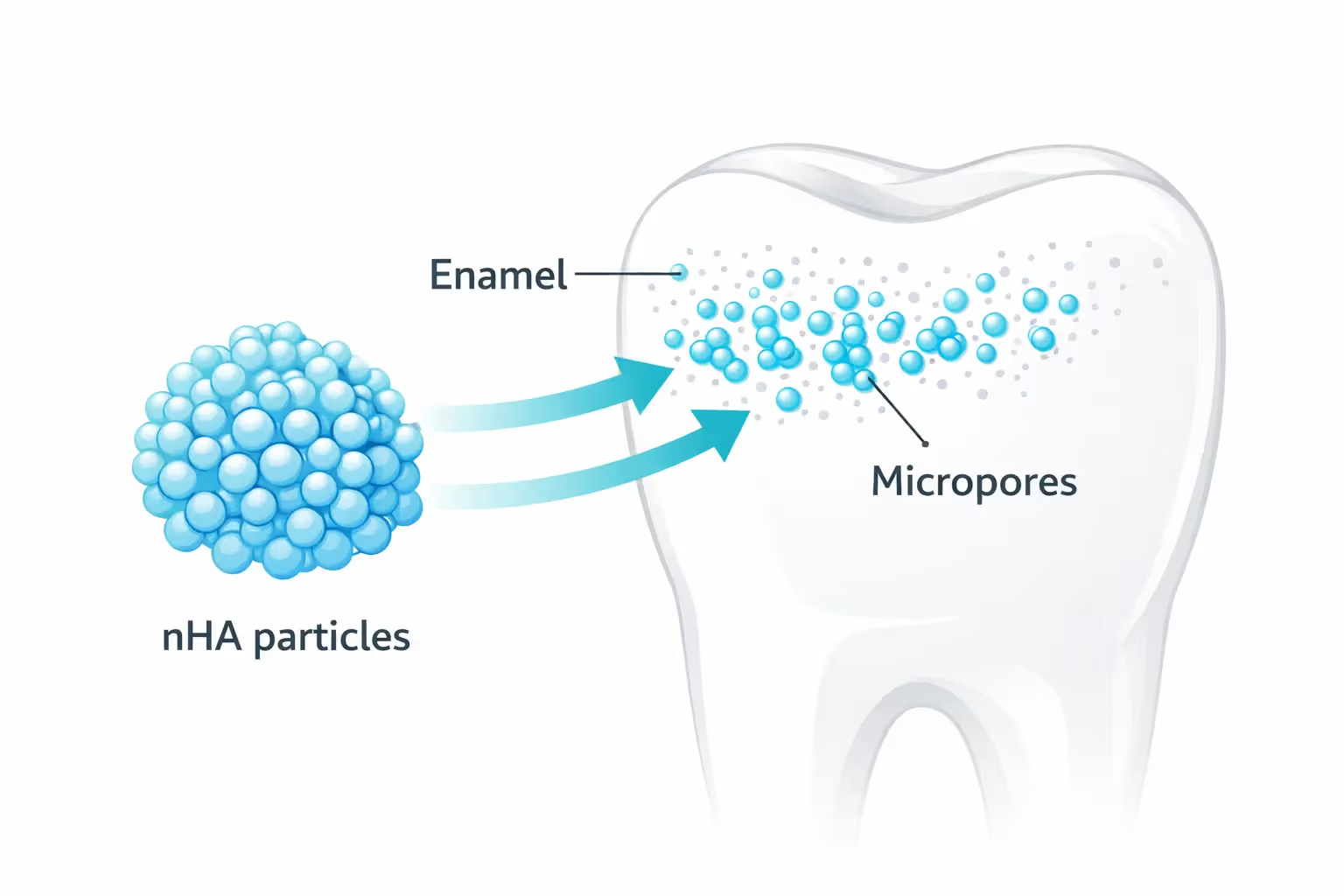
Most people brush their teeth on autopilot. But if you're using a nano-hydroxyapatite toothpaste, small changes to your routine — the order of steps, whether and when you rinse, what you eat afterward — can significantly affect how much benefit you actually get. Here's the optimal nHA routine for morning and night.
The Morning Routine
Step 1: Brush First, Eat After
Brushing before breakfast rather than after is a counterintuitive but evidence-backed recommendation. When you brush before eating, you coat your teeth with nHA before they're exposed to breakfast acids. If you brush immediately after eating, especially after acidic foods like juice or coffee, you risk brushing softened enamel. If you prefer to brush after breakfast, wait at least 30 minutes.
Step 2: Two Minutes, Soft Bristles
Use a soft-bristle toothbrush and brush for a full two minutes. Electric toothbrushes consistently outperform manual brushing in plaque removal, but either works well with nHA paste. Angle the bristles at 45 degrees to the gumline and use small circular motions rather than horizontal scrubbing.
Step 3: Don't Rinse — Or Rinse Lightly
This is the most impactful change most people can make. Rinsing with water immediately after brushing washes away the nHA particles before they've had time to deposit in enamel pores. Either skip rinsing entirely, or use just a small sip to clear excess foam. The nHA needs contact time to work.
Step 4: Floss or Interdental Brushes
Floss after brushing (not before, in the morning routine) to remove debris disturbed by brushing. Interdental brushes work well for larger gaps and are preferred by many dentists for their plaque removal efficacy.
The Night Routine
The night routine is arguably more important than the morning one. Saliva flow decreases significantly during sleep, which means the mouth's natural buffering and remineralization system is less active. This makes it the ideal window for nHA to work undisturbed.
Step 1: Floss First
At night, floss before brushing so that the nHA in your toothpaste can reach between teeth after flossing has cleared the interproximal spaces.
Step 2: Brush Thoroughly
Same technique as the morning — two minutes, soft bristles, systematic coverage of all surfaces. Pay extra attention to the gumline and back molars, which are commonly missed areas.
Step 3: No Rinse — Leave the Paste
At night, the no-rinse rule is even more important. Spit out the excess paste but do not rinse. The small amount of nHA left on your teeth will continue working as you sleep, depositing into enamel pores over several hours.
Step 4: Optional — nHA Mouthwash
If you want to add an extra remineralization step, use an nHA mouthwash after brushing instead of a water rinse. This adds another layer of mineral contact without washing away what the toothpaste deposited.
Habits That Undermine Your Routine
- Eating or drinking (other than water) after brushing at night: This reintroduces acid and bacteria after you've just cleaned and coated your enamel.
- Using a fluoride mouthwash and an nHA toothpaste without spacing them out: Both are effective, but using them back-to-back may reduce the contact time of each.
- Brushing too hard: Abrasion from hard brushing can cause gum recession and enamel wear — precisely the conditions nHA is meant to repair.
The best oral care routine is the one you actually do consistently. Start with these adjustments and give it 8 weeks — your dentist will likely notice the difference at your next checkup.
Ready to upgrade to a truly clean toothpaste?